
Knowing how to start a private label pet supplement brand begins with a manufacturing brief. Before committing to artwork, inventory, or a launch date, decide what your first product must deliver, who will use it, and what your business can afford to order. Those decisions give a manufacturing partner enough information to assess formula fit, packaging, and minimum order quantity (MOQ).
This guide is for pet brands, importers, and distributors preparing their first production order. It includes a Product Brief, a Three-Route Comparison, and a First-Order Readiness Checklist. Use them to coordinate specifications, sample approval, quality documentation, market review, and commercial terms. Some decisions run in parallel. A packaging constraint or sample result may send the project back to an earlier step.
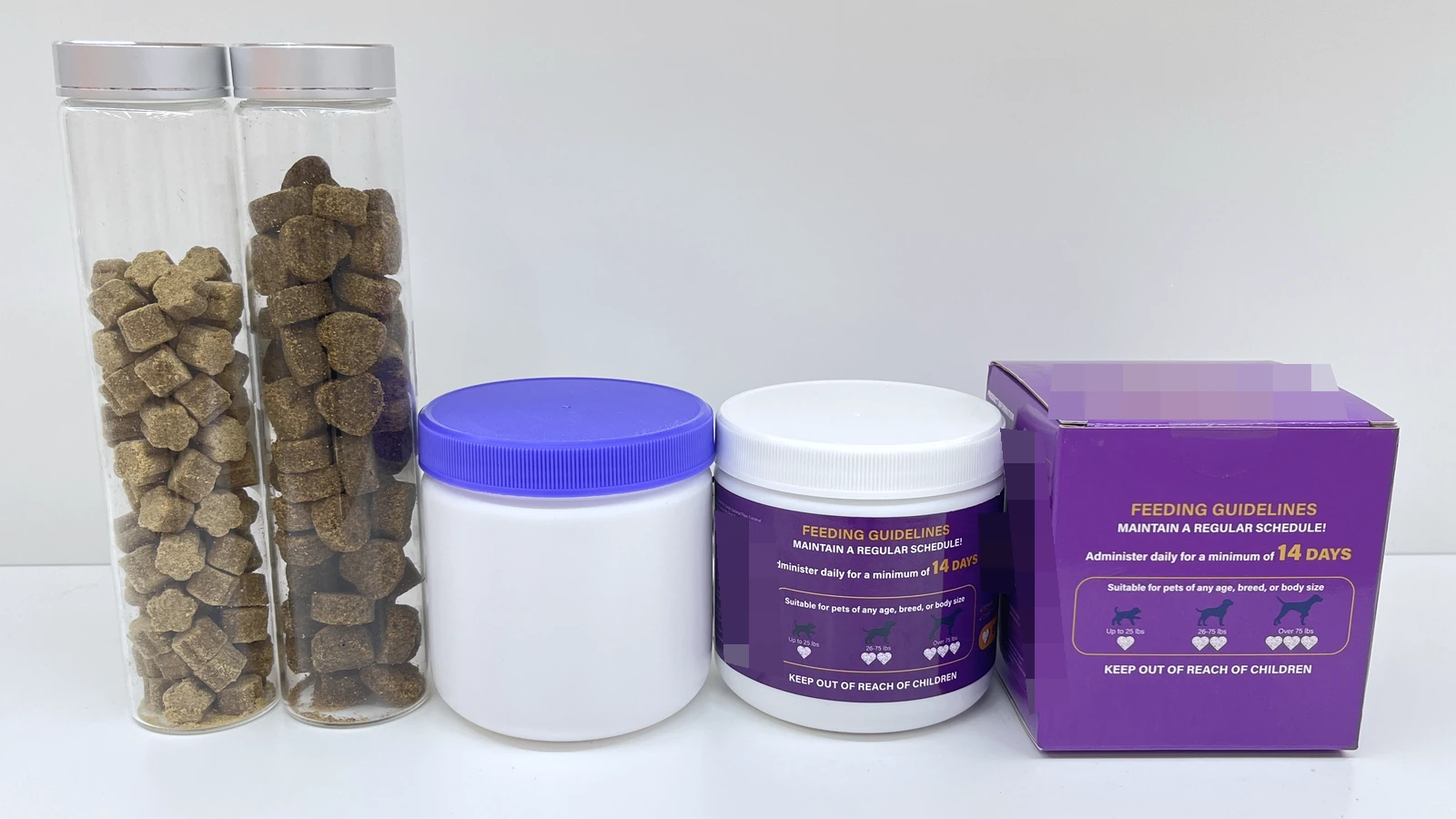
Start With a Clear Product Brief for Your First SKU
Define Your Target Market, Animal, and Product Positioning
Name the first sales country, target animal, intended nutritional support, buyer, and sales channel. Identify the proposed product category, label review, and quality requirements early.
Set Your Target Retail Price and Manufacturing Budget
List target retail price separately from the purchasing budget. Specify whether the cost range is EXW or estimated landed cost before partners select ingredients or packaging.
Why Starting With One Core SKU Can Simplify Your Launch
Additional formulas, flavors, and pack sizes add sourcing, sampling, artwork, and inventory decisions. Start with the SKUs your sales plan can support. Add variants when demand and confirmed minimums justify them.
What to Include in Your Product Brief
Copy this Product Brief into your inquiry. Mark unresolved fields as pending and identify who will confirm them.
| Field | Information to Provide | Why It Matters |
|---|---|---|
| Target Market | First country of sale | Guides market review |
| Target Animal | Species and intended user group | Defines product use |
| Product Positioning | Channel, customer, and price tier | Guides trade-offs |
| Intended Nutritional Support | Intended use and proposed claims | Frames formula and label review |
| Formula Status | Existing, owned, adapted, or custom | Defines development scope |
| Key Ingredient Requirements | Required ingredients, target levels, exclusions | Screens feasibility |
| Preferred Dosage Form | Preferred format and acceptable alternatives | Guides partner matching |
| Serving Size | Target amount and feeding method | Sets unit requirements |
| Units per Package | Count, servings, or net fill | Determines packaging needs |
| Packaging Requirements | Container, closure, label, and carton | Clarifies sourcing scope |
| Target Retail Price | Price and currency | Sets commercial context |
| Target Manufacturing Budget | Range and cost basis | Guides quotation |
| Estimated First-Order Quantity | Units per SKU | Tests MOQ fit |
| Quality / Documentation Requirements | Specifications, tests, and documents | Sets evidence needs |
| Target Timeline | Launch window and review milestones | Helps plan approvals |
| Additional Requirements | Restrictions, preferences, and open questions | Flags dependencies |
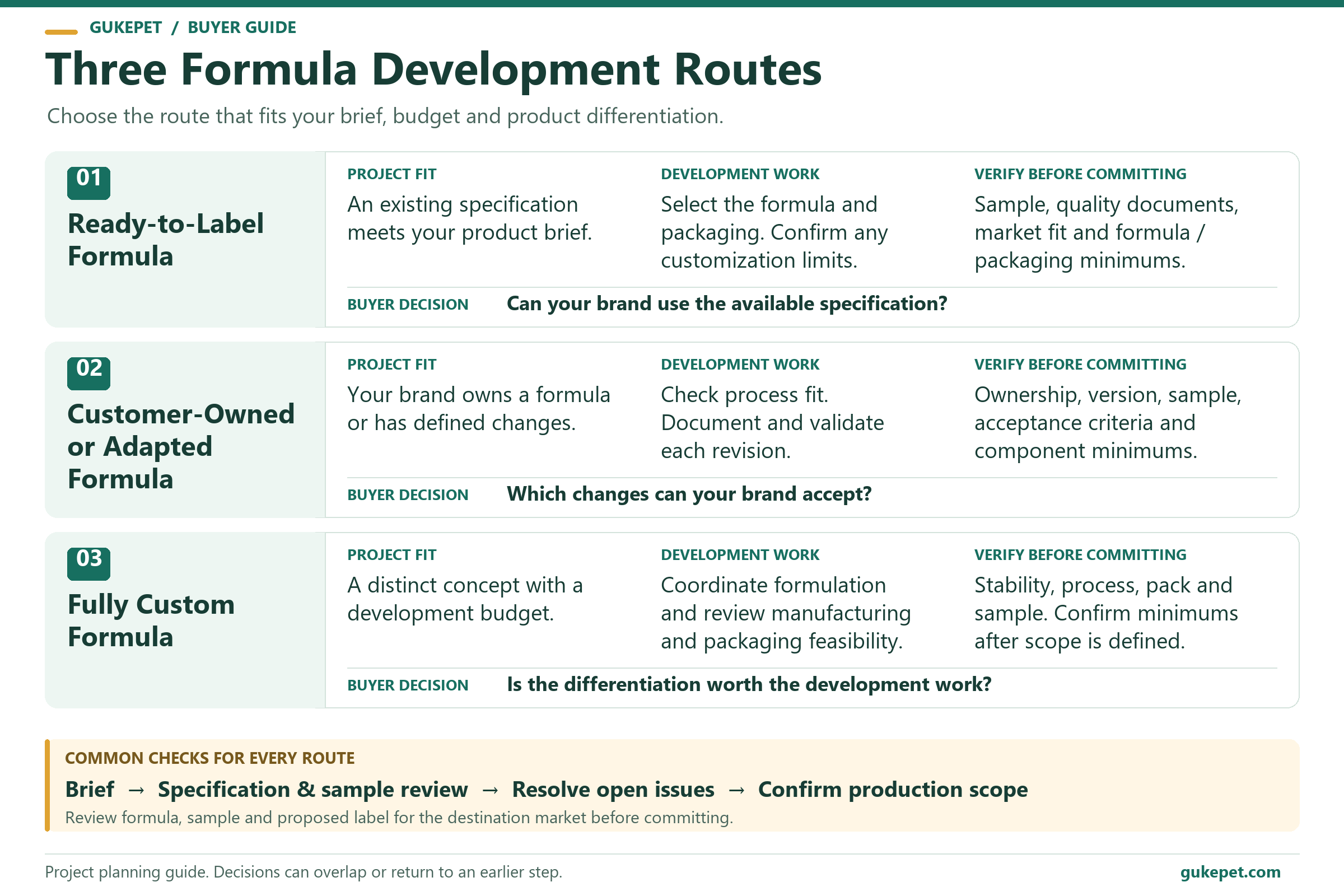
Choose the Right Formula Development Route
Use an Existing Ready-to-Label Formula
Choose this route when an existing specification fits your product and you want less formulation work upfront. Confirm availability, sample, customization limits, MOQ, and quality documents. Review the formula and proposed label for the destination market before committing.
Manufacture or Adapt an Existing Formula
With a customer-owned formula, ask whether the partner can reproduce the specified ingredients, serving targets, and process. If you adapt an existing formula, document each change. A new flavor, ingredient, or active level can affect stability, cost, samples, artwork, and quality specifications.
Develop a Fully Custom Formula
Use custom development when your brief defines a meaningful product difference and a budget for development. Agree on ingredient and active targets, dosage form, serving size, and validation needs. Screen manufacturing and packaging feasibility before committing to the final formula.
Choose Based on Budget, Timeline, and Differentiation
Use the Three-Route Comparison to decide what each option needs before you can request a production quote.
| Formula Route | Best-Fit Project Situation | Development Work Required | Sample and Verification Needs | MOQ Considerations | Key Buyer Decision |
|---|---|---|---|---|---|
| Ready-to-Label Formula | Existing specification meets the brief | Select formula and pack | Confirm sample, documents, and market fit | Check formula and packaging minimums | Can the brand use the available specification? |
| Customer-Owned / Adapted Formula | Brand has a formula or defined changes | Check process fit and validate revisions | Confirm ownership, version, sample, and acceptance criteria | Check ingredients, process, and pack | Which changes can the brand accept? |
| Fully Custom Formula | Brand has a distinct concept and development budget | Coordinate formulation and feasibility review | Assess stability, manufacturing, packaging, and sample | Confirm minimums after scope is defined | Is the differentiation worth the development work? |
Explore private label pet supplements that may fit your brief.
For an owned formula or custom concept, review pet supplement OEM/ODM options.
Turn Your Formula Into Manufacturing-Ready Specifications
Confirm the Dosage Form and Serving Size
Agree on weight or volume per unit, units per serving, servings per package, and how owners will feed it. If the format is open, compare pet supplement dosage forms across soft chews, powders, tablets, capsules, liquid drops, and nutritional oils before specifying the pack.
Verify Ingredient Specifications and Manufacturing Feasibility
Document the ingredient grade, input quantity, and target active content separately. Ask the partner to check processing conditions, stability, and serving consistency. A formula that works on paper may require adjustments to run reliably on the proposed equipment at production scale.
Create a Manufacturing-Ready Product Specification
Record the formula version, format, unit and serving weight, active targets, pack count, packaging specification, quality attributes, acceptance criteria, approved sample reference, and approval date. Use that same revision for quoting, sampling, production instructions, and acceptance.
Plan Your First Order Quantity and MOQ
Understand Manufacturing, Ingredient, and Packaging MOQs
Ask for the finished-product minimum and separate minimums for ingredients, bottles, labels, cartons, and special packaging. Record the unit each supplier uses and any excess components you would own. Minimums depend on the project and the selected partners.
Plan SKUs, Flavors, and Packaging Quantities
Ask which minimums apply per batch, formula, flavor, or packaging version. Confirm in writing whether SKUs can share a base formula or container and which variants need separate commitments.
Balance Unit Cost, Cash Flow, and Inventory
Balance cash committed against expected sales, replenishment timing, and supported shelf life. A larger order can lower unit cost while tying up cash and leaving more inventory to sell.
What to Confirm Before Paying Sample Fees or Deposits
Confirm order estimates, MOQ, specifications, sample scope and fees, payment terms, packaging assumptions, and expected production arrangements. Separate included, excluded, and pending items in writing. Use the pet supplement manufacturing cost guide to compare quotations on the same basis.
Prepare Packaging, Labels, and Final Product Presentation
Choose Between Standard and Custom Packaging
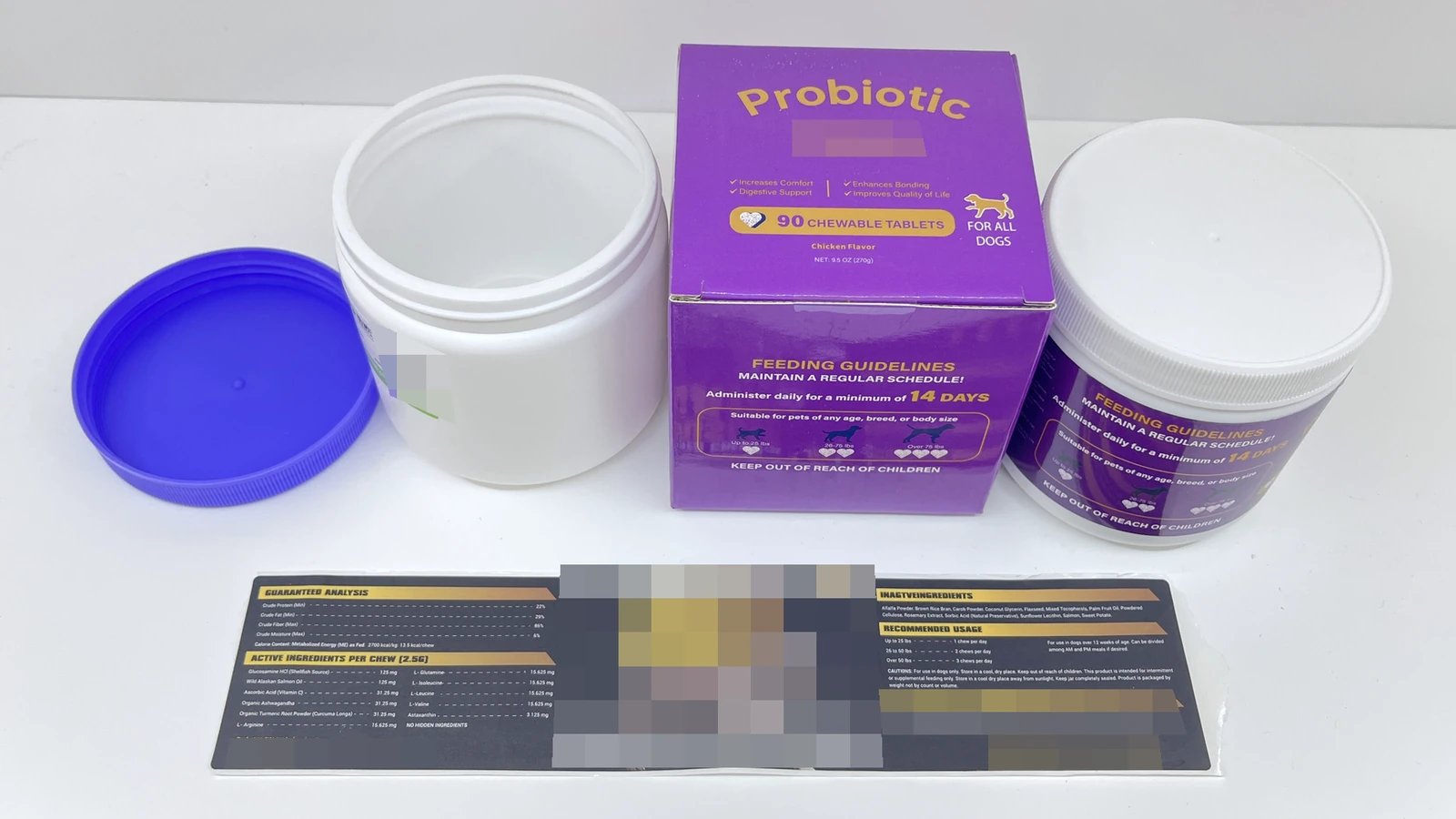
Compare standard bottles, jars, pouches, and sachets with custom options for protection, dispensing, filling compatibility, and minimums. Confirm which labels, cartons, and components require separate approvals or orders.
Finalize Packaging Dimensions Before Label Design
Confirm the container and closure, usable capacity, fill quantity, label area, and current dieline. Check a physical sample before approving print files for those dimensions.
Review and Approve Packaging Artwork
Review brand and product names, net quantity, ingredient information, feeding directions, required statements, and barcode or identification details. Check the proposed claims and label language for the intended market. Approve a specific print-ready file against the final product specification.
Keep Records of Final Packaging Approval
Keep the approved artwork, dimensions, label material, colors, print specifications, pack sample, revision number, and approval date together. Share that revision with all parties ordering or using packaging. See pet supplement packaging coordination for the handoffs to plan.
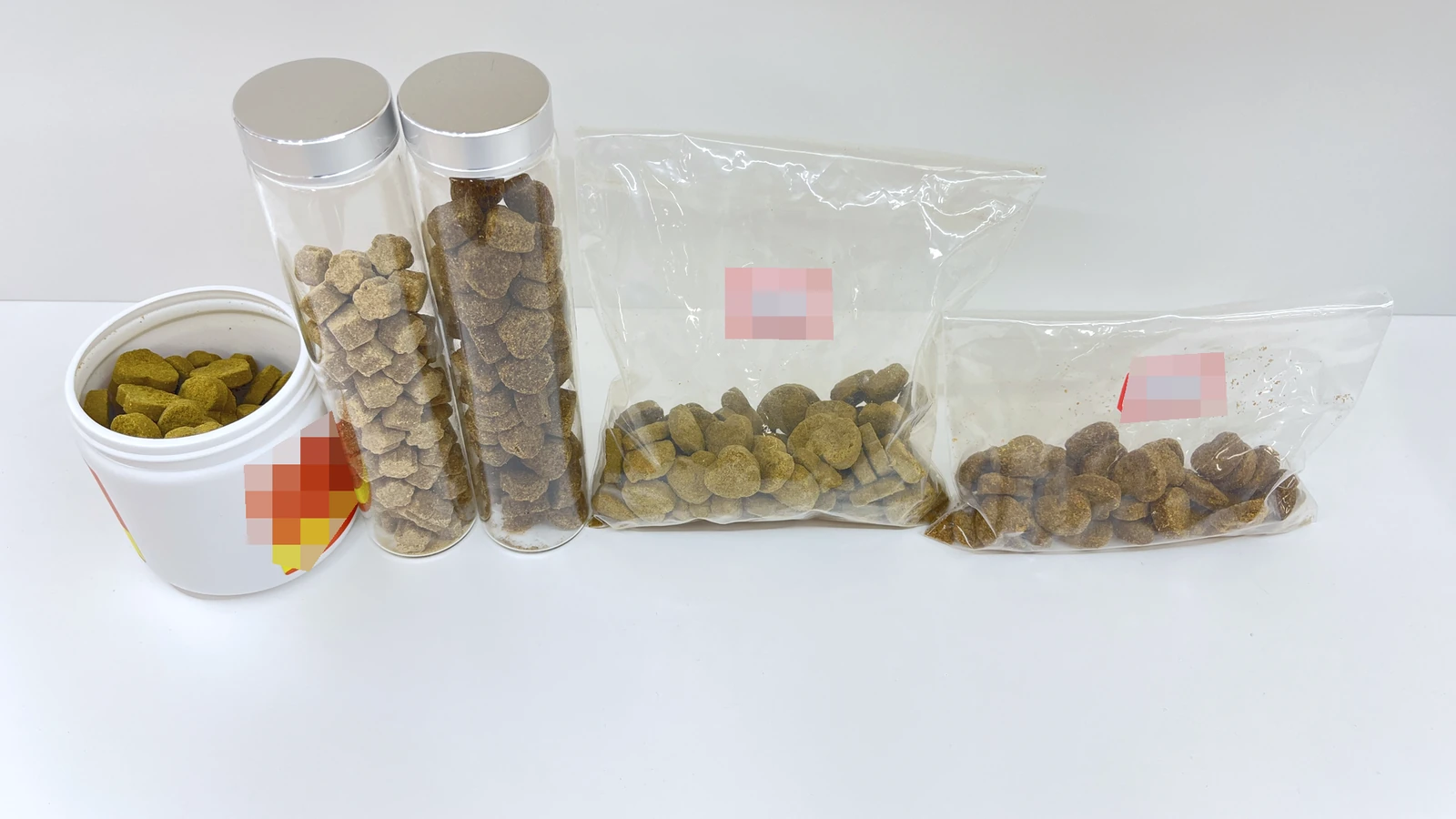
Develop, Test, and Approve Your Product Samples
Understand the Difference Between Existing-Formula and Custom Samples
Check an existing-formula sample against the available specification and a custom sample against agreed development targets. Confirm how well the sample represents the planned process and packaging.
What to Check When You Receive Samples
Compare appearance, texture, odor, unit weight, serving size, and pack fit against the written specification. Agree on any testing needed to verify quality, safety, or stability. Record separately what you observed and what the test results establish.
Record Feedback and Avoid Repeated Sampling
Consolidate feedback by sample version. Record the issue, requested change, priority, responsible party, next review date, and approval status. Agree which acceptance criteria will be used for the revised sample before another round starts.
Document Final Sample Approval
Use this Sample Approval Checklist:
- Approved formula version and sample reference.
- Product specification, packaging requirements, and quality criteria.
- Dated approval, outstanding validation, and production batch acceptance criteria.
Review stability, safety, and market requirements separately from sample appearance and acceptance.
Review Quality Documentation and Market Requirements Before Production
Identify the Quality Documents Required for Your Project
Request applicable specifications, certificates of analysis (COAs), test reports, and facility records. Confirm which will accompany the production lot. Check each COA’s lot, tests, and limits, then review other requirements separately. See pet supplement quality documentation.
Review Ingredient, Labeling, and Product Claim Requirements
Review ingredients, directions, and claims for the target market. For US projects, use FDA’s animal food and animal drug framework. Intended use matters for classification. Treat facility registration as evidence of registration only. FDA animal food and feeds guidance
Why US, UK, and EU Requirements Need Separate Review
Review the specific destination’s label language and content, classification, and any applicable import documents. Check the UK destination and route, including Great Britain or Northern Ireland where relevant. Review EU feed rules for each intended market. UK pet food guidance and EU feed marketing rules
Resolve Critical Issues Before Production Approval
Hold production approval if critical ingredients, safety, quality specifications, classification, labels, or process feasibility remain unresolved. Assign each issue an owner and require written evidence before closing it. See how to choose a pet supplement manufacturer for partner verification.
Confirm Commercial Terms Before Placing Your First Production Order
Confirm What the Final Quotation Includes
Compare quotes against one specification. List inclusions, exclusions, and separate charges for product content, manufacturing, primary packaging, labels, cartons, samples, testing, development, and delivery.
Lock the Final Specifications and Order Quantity
Align the formula, format, serving size, packaging, approved sample, quantity per SKU, and quote with the same dated product specification. Put that revision in the purchase order (PO). Route any later substitutions through written change approval.
Confirm Payment Terms, Incoterms, and Lead Times
Agree on deposit and balance triggers, currency, quote validity, and the Incoterms rule, version, and named place or port. Confirm freight responsibilities, packaging and production milestones, inspection, quality release, and which approvals start lead time. ICC Incoterms guidance
Define Responsibilities in the Purchase Order and Contract
Identify the contracting party and record specifications, quantities, price, payment, delivery, packaging, acceptance, and how issues will be resolved. Address confidentiality and formula ownership where relevant. Have the appropriate reviewer check the actual contract.
First-Order Readiness Checklist: Are You Ready to Place Your Order?
Product and Formula Readiness
Confirm the first market, SKU, positioning, and budget. Match the selected formula route and approved formula version to the format and serving specification.
Packaging, Quality, and Compliance Readiness
Check pack and artwork approvals against the sample and product specification. Record the quality evidence and target market review needed before release.
Commercial and Production Readiness
Match quantities and minimums to the final quote, payment and trade terms, production schedule, and responsibilities. Check that the PO references the same approved documents.
Move From Project Approval to Production Coordination
Use this First-Order Readiness Checklist to record evidence. Mark each item Confirmed, Pending, or Not Applicable. Once critical issues are closed, align the PO and contract, prepare production, follow manufacturing, review quality and packaging, and coordinate shipment in the sequence agreed with the partner.
| No. | Readiness Item | What to Confirm | Evidence / Document |
|---|---|---|---|
| 1 | Target Market | Sales country and applicable requirements | Market Brief |
| 2 | First SKU | Product, specification, and version | SKU List |
| 3 | Product Positioning & Budget | Target retail price and cost range | Product Brief |
| 4 | Formula Route | Ready-to-label, owned/adapted, or custom | Formula Decision |
| 5 | Formula Specification | Ingredients, serving targets, and technical requirements | Approved Formula Specification |
| 6 | Dosage Form & Serving Size | Serving weight or volume and pack quantity | Product Specification |
| 7 | MOQ & Order Quantity | Manufacturing and packaging minimums | Confirmed MOQ |
| 8 | Packaging Configuration | Container, label, carton, and closures | Packaging Specification |
| 9 | Label & Artwork | Print files and applicable label review | Approved Artwork |
| 10 | Sample Approval | Approved version and acceptance criteria | Sample Approval Record |
| 11 | Quality Documentation | Required documents and testing arrangements | Document Review Record |
| 12 | Target Market Review | Ingredient, classification, and label requirements | Applicable Review Record |
| 13 | Final Quotation | Inclusions, exclusions, and currency | Final Quotation |
| 14 | Payment & Trade Terms | Payment, responsibilities, and delivery conditions | Agreed Commercial Terms |
| 15 | Production Schedule | Materials, packaging, manufacturing, and inspection | Confirmed Production Plan |
| 16 | Purchase Order | Aligned quantities, specifications, prices, and responsibilities | Approved Purchase Order |
If a safety, regulatory, quality, or manufacturing question is unresolved, keep the order on hold until it is addressed. Gukepet coordinates manufacturing partner matching, commercially focused formula development, packaging, cost comparisons, and project follow-up from Yiwu, China.
Review My Private Label Project
Planning your first private label pet supplement order? Share your product concept or formula, target market, estimated order quantity, packaging requirements, and budget. Gukepet can help you review suitable manufacturing options and coordinate the next steps toward production.
Frequently Asked Questions About Launching Private Label Pet Supplements
Can I start a private label pet supplement brand without my own formula?
Yes. You can evaluate a partner’s existing formula or coordinate development around your concept. Start with the target market, specification, budget, and estimated order quantity. Check market suitability before committing.
Should I choose an existing formula or develop a custom formula?
Choose based on the difference your product needs to offer. Compare development work, technical feasibility, samples, MOQ, budget, and launch timing against your brief.
How many products should I launch in my first order?
Start by evaluating the core SKU. Set the number of products based on expected sales, budget, MOQ by variant, and how much inventory you can carry.
What is the MOQ for private label pet supplements?
It depends on the formula, dosage form, production requirements, ingredients, packaging, partner, and SKU count. Ask for the minimum per SKU and separate packaging or ingredient commitments.
Can I approve samples before placing a bulk production order?
Yes, subject to the agreed sample and commercial terms. Approve the formula version, specification, appearance, use, and quality criteria. Confirm how the bulk order will be assessed against that approval.
What quality and labeling requirements should I check before production?
Check ingredient suitability, product classification, labels, claims, documents, and applicable testing for the specific market. Match each document to the product, lot, or facility it covers.
What information should I send to request my first manufacturing quote?
Send your Product Brief, formula status, dosage form, serving size, packaging requirements, target market, estimated quantity, budget, and required quality documents. Flag open decisions so the quote can state its assumptions.
Review My Private Label Project
Planning your first private label pet supplement order? Share your product concept or formula, target market, estimated order quantity, packaging requirements, and budget. Gukepet can help you review suitable manufacturing options and coordinate the next steps toward production.